
When a patient needs medical transportation over a long distance, choosing between air ambulance transport and long-distance ground transport can be a critical decision. Each option has its own advantages and limitations, and the best choice depends on the patient’s condition, urgency, and specific needs. In this article, we’ll compare the two and explore when air ambulance transport might be the better option.
Air Ambulance Transport
An air ambulance is a specially equipped aircraft—either a helicopter or fixed-wing plane—used to transport patients requiring urgent or specialized care. Air ambulances are staffed with highly trained medical personnel and carry advanced medical equipment to provide in-flight care.
Pros of Air Ambulance Transport:
- Speed & Efficiency: Air transport significantly reduces travel time, making it ideal for critically ill or injured patients who need rapid intervention.
- Access to Specialized Care: Patients can be quickly transported to specialized medical facilities that may be hundreds or even thousands of miles away.
- Less Physical Strain: Air transport is smoother and minimizes the physical toll on patients compared to long hours in a ground ambulance.
- Bypassing Traffic & Road Conditions: Avoids delays due to road congestion, poor weather conditions, or difficult terrain.
Considerations for Air Ambulance Transport:
- Financial Investment: Air ambulances involve higher costs than ground transport, often requiring insurance approval or out-of-pocket expenses.
- Weather & Scheduling Factors: Flights may be affected by adverse weather conditions, which can sometimes impact availability.
- Patient Stability: While air transport is an excellent solution for many, it may be unsafe for individuals with certain medical conditions to fly at high altitudes.
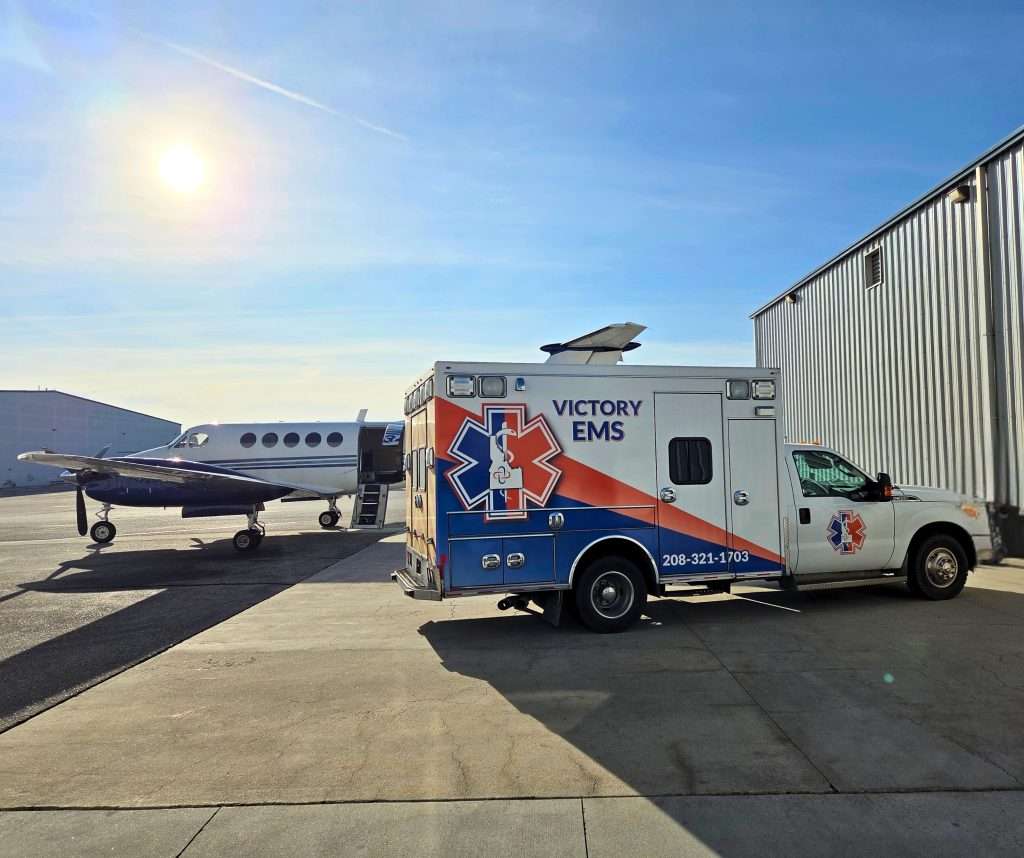
Long-Distance Ground Transport
Long-distance ground medical transport is typically provided by specially equipped ambulances or medical vans designed for patient comfort and continuous medical monitoring over extended distances.
Pros of Long-Distance Ground Transport:
- Cost-Effective: Generally more affordable than air transport, making it a preferred option for non-emergency medical transfers.
- Weather Independence: Unlike air transport, ground ambulances can operate in a wider range of weather conditions.
Considerations for Long-Distance Ground Transport:
- Extended Travel Time: Ground transport may take significantly longer, which is a factor for patients requiring immediate medical intervention.
- Patient Comfort: Prolonged travel can be tiring, particularly for patients dealing with pain or mobility challenges.
- Road Conditions & Delays: Travel times may vary due to traffic, detours, or road closures, potentially impacting arrival time.
When Is Air Ambulance the Better Option?
While long-distance ground transport is a viable option for many patients, air ambulance transport is the better choice in certain situations, including:
- Critical or Time-Sensitive Conditions: Patients with severe trauma, stroke, or cardiac emergencies benefit from rapid transport to a higher-level care facility.
- Remote Locations: If the patient is in a rural or isolated area far from major hospitals, air transport ensures faster access to medical care.
- Organ Transplants or Specialized Treatment: Patients needing immediate access to organ transplants or specialized procedures at distant hospitals may require air transport.
- Immune-Compromised Patients: Individuals with weakened immune systems who need to limit contact with others may benefit from the controlled environment of an air ambulance.
- End-of-Life Situations: For hospice patients and individuals nearing the end of life, every moment with loved ones is precious. If they have to travel long distances to be with family or friends during their final days, air ambulance transport ensures a timely reunion.
Conclusion
Both air ambulance and long-distance ground transport play essential roles in medical transportation. The right choice depends on the urgency of care, medical condition, travel distance, and financial considerations. While air ambulances provide speed and access to critical care, ground transport remains a reliable and cost-effective alternative for stable patients requiring non-emergency medical travel. Understanding the benefits and considerations of each can help patients, families, and healthcare providers make informed decisions when planning medical transport.


