
Access to quality healthcare can be a challenge in rural areas. Hospitals may be hours away, specialist care is often limited, and emergency situations can quickly become critical when time is of the essence. Air medical services bridge the gap by providing critical transport in both urgent life-saving emergencies situations and non-emergent, yet essential scenarios. This service is vital for rural communities to avoid harmful delays in care.
Rapid Response When Every Minute Counts
In medical emergencies, minutes matter. Conditions like heart attacks, strokes, severe injuries, or respiratory distress require immediate intervention. Air medical transport can dramatically reduce transport times, connecting patients to the care they need faster than traditional ground transportation. This rapid response can make the difference between life and death.
Reducing the Burden on Local Ground EMS
Air medical services help lighten the load for ground EMS providers, particularly in rural areas where healthcare resources are limited. In rural areas with fewer healthcare professionals, even a single emergency can stretch the system thin. When emergencies arise, air transport can quickly move patients to higher-level care, allowing local crews to stay available for other urgent calls. This collaboration ensures that rural communities continue to receive prompt, reliable emergency support when it’s needed most.
Seasonal and Weather Challenges
Severe weather conditions can make ground transport slow, challenging, or even impossible—especially when the nearest hospital with advanced care is hundreds of miles away. Snowstorms, floods, icy roads, wildfires, and other hazards can cause dangerous delays for ambulances, putting patients at risk during critical situations. Air medical transport provides a reliable alternative, as helicopters and fixed-wing aircraft can reach remote areas regardless of road conditions, ensuring patients receive timely, potentially life-saving care.
Non-Emergent Transport: Improving Access to Care
Many rural residents face challenges in attending routine appointments, treatments, or follow-up care from specialized medical facilities due to distance, mobility limitations, or lack of reliable transportation options. Non-emergent air transport provides a safe, efficient alternative, ensuring patients can reach hospitals, specialty clinics, or rehabilitation centers without the added stress of long ground trips.
Comfort, Safety, and Specialized Support
Even when the situation isn’t life-threatening, patient comfort and medical support matter. Air medical teams are trained to provide attentive care during transport, monitoring vital signs, assisting with mobility, and addressing any medical needs during the flight. By reducing travel time from several hours or even days through ground transport to just a few hours in the air, patients experience less physical strain and stress, arriving at their appointments more comfortable, calmer, and better prepared for their care.
Continuity of Care Without Relocation
For residents in rural communities, knowing that air medical transport is available provides reassurance. Families can feel confident that, in a medical crisis, expert care is only a flight away. Additionally, patients can receive specialized care without needing to permanently relocate or disrupt daily life. This convenience not only reduces physical and emotional strain but also helps them stay connected to their local support networks, while still receiving the help they need.
Economic and Healthcare Impact
Access to timely medical care has a direct impact on both patient outcomes and community health resources. When patients receive prompt treatment via air medical transport, complications from delayed care are less likely, potentially shortening recovery times and reducing the need for extended hospital stays. This efficiency benefits rural healthcare systems by freeing up beds and resources for other patients while lowering overall treatment costs.
Conclusion
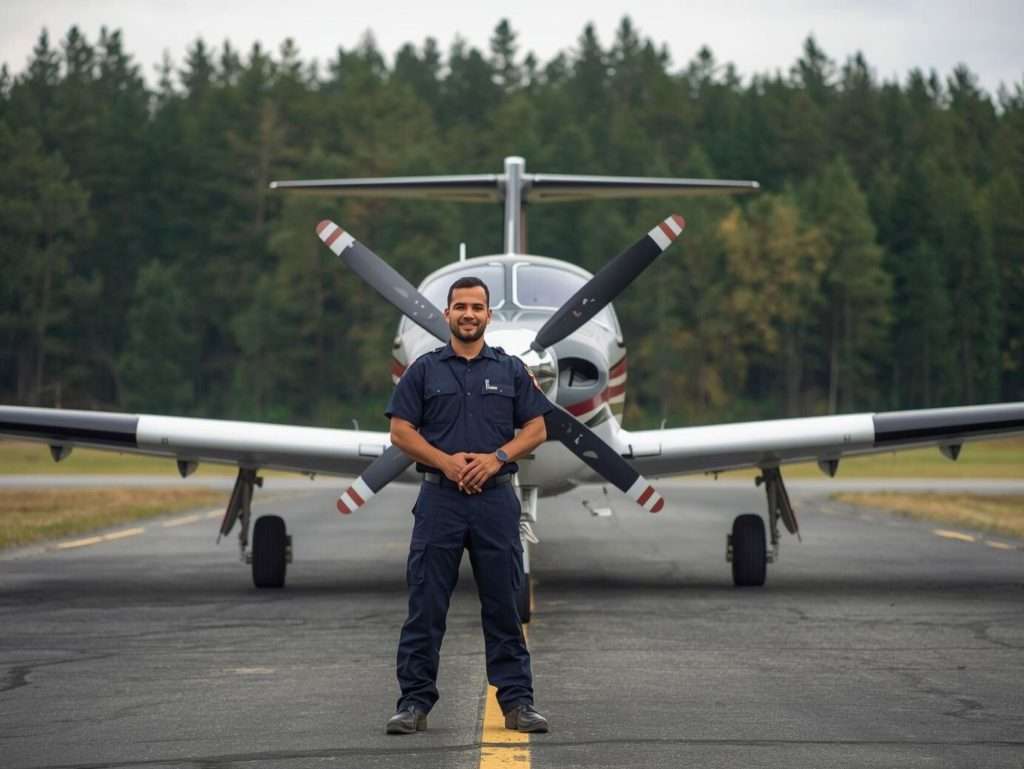
At Victory Medical Flights, we’re proud to provide safe, reliable, and compassionate fixed-wing air transport that expands access to care for many rural communities. While our services can’t reach every rural area, we partner closely with trusted rotor-wing providers and can connect families to the right resources when needed. From emergencies to non-emergent trips, our team can assist rural residents with reaching specialized care quickly and comfortably—reducing travel stress while allowing patients to remain connected to the rural communities they call home.


